

 604-535-4123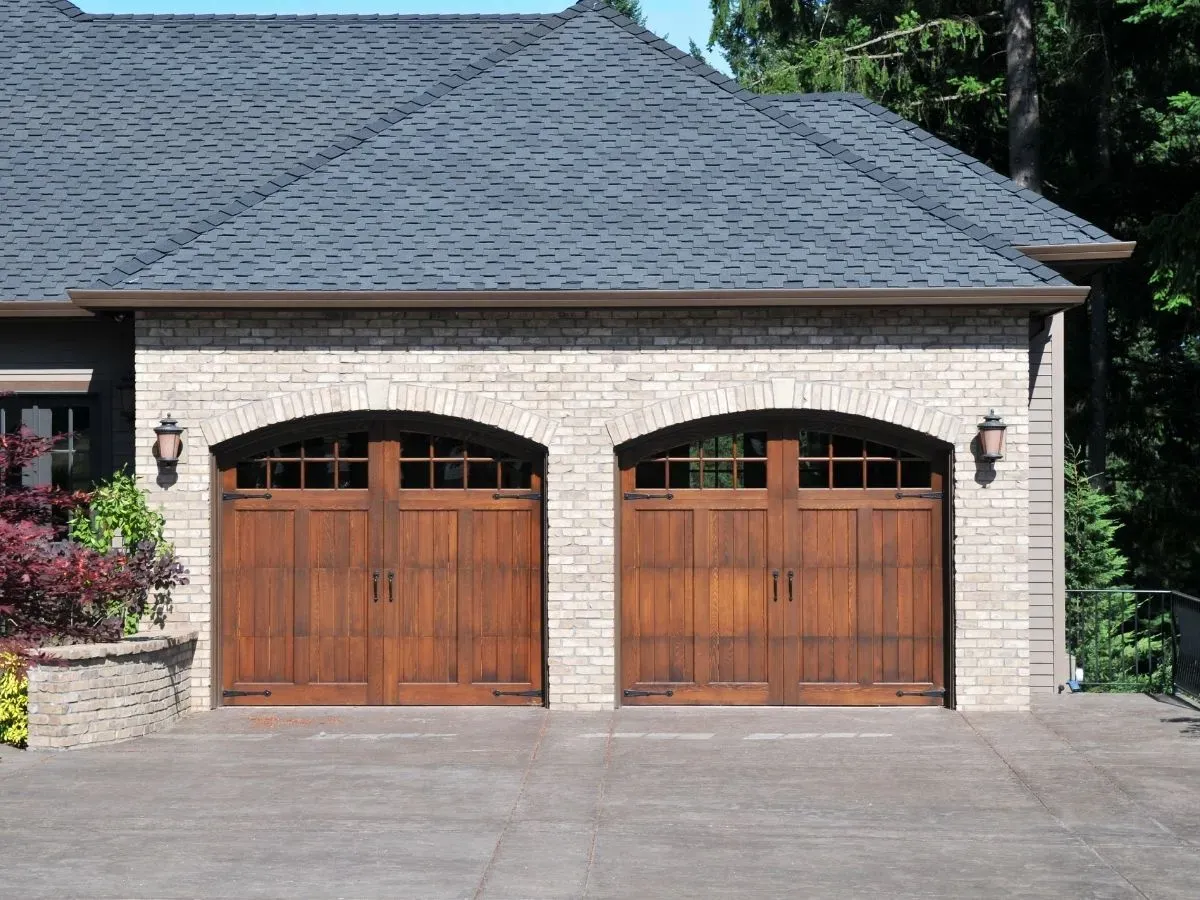
Choosing between steel vs. wood garage doors is one of the most important decisions you can make when upgrading your home. At Doorcare, we help homeowners across BC select doors that deliver strength, style, and long-lasting value. While both materials offer unique advantages, they perform very differently when it comes to durability and maintenance.
With BC’s wet climate, coastal winds, and seasonal temperature changes, material choice plays a major role in how long your garage door will last. Understanding the pros and cons of each option helps you make a smart, long-term investment.
Why Material Matters for Long-Term Performance
When comparing steel vs. wood garage doors, the material impacts weather resistance, maintenance requirements, insulation performance, and overall lifespan. In BC, moisture and salt air can quickly wear down materials that are not built for damp environments.
The right door should not only look good but also withstand years of daily use and harsh weather conditions.
Steel Garage Doors: Strength and Reliability
Steel garage doors are among the most popular options for BC homeowners. They are durable, dependable, and designed to handle changing weather conditions throughout the year.
Pros of Steel Garage Doors
1. Excellent Longevity
Steel resists warping, cracking, and shrinking, even with temperature fluctuations. A high-quality steel door can last decades with minimal upkeep.
2. Low Maintenance
Steel doors typically require occasional cleaning and lubrication of moving parts. Unlike wood, they do not rot, swell, or require frequent repainting.
3. Strong Weather Resistance
With proper protective coatings, steel doors resist rust and corrosion—even in coastal areas exposed to salt air and heavy rainfall.
4. Excellent Insulation Options
Many steel doors include polyurethane or polystyrene insulation, improving energy efficiency and reducing noise while maintaining comfortable garage temperatures.
5. Wide Design Variety
Modern manufacturing allows steel doors to mimic wood grain textures or sleek contemporary finishes, giving homeowners aesthetic flexibility without sacrificing durability.
Cons of Steel Garage Doors
1. Susceptible to Dents
Steel can dent if struck with force, particularly thinner gauge models.
2. Rust Risk Without Proper Finish
Lower-quality steel without protective coating may rust over time, especially in coastal climates.
Wood Garage Doors: Natural Beauty and Character
Wood garage doors offer timeless appeal and natural warmth. They are often chosen for traditional, craftsman, or custom-style homes where appearance is a top priority.
Pros of Wood Garage Doors
1. Classic and Elegant Appearance
Wood delivers authentic texture and character that many homeowners value for high-end curb appeal.
2. Customization Flexibility
Wood doors can be customized with stains, paints, carvings, and unique panel designs to match specific architectural styles.
3. Naturally Quiet Operation
Wood absorbs vibration and noise, making door operation quieter compared to some metal doors.
4. Increased Property Appeal
The premium appearance of wood can enhance resale value and overall home aesthetics.
Cons of Wood Garage Doors
1. High Maintenance Requirements
Wood requires regular sealing, staining, or painting to protect against moisture and UV damage.
2. Higher Long-Term Cost
Upfront costs are typically higher, and ongoing maintenance increases lifetime expenses.
3. Moisture Sensitivity
In BC’s damp climate, wood can swell, warp, or rot if not properly maintained.
4. Increased Weight
Wood doors are heavier, placing greater strain on springs and openers, which may require more frequent servicing.
Longevity Comparison: Steel vs. Wood Garage Doors
In BC’s wet climate, steel generally offers longer lifespan with less effort. Wood can last many years, but only with consistent maintenance.
Steel Maintenance Overview
- Occasional washing
- Lubricating moving components
- Touch-up painting if scratched
Wood Maintenance Overview
- Annual sealing or staining
- Frequent inspection for moisture damage
- Repairing cracks or rot promptly
Energy Efficiency
Insulated steel doors often outperform wood in energy efficiency, especially when equipped with high-performance insulation cores. Wood provides some natural insulation, but it typically does not match insulated steel models unless upgraded.
Cost Comparison Over Time
Steel doors generally offer lower total cost of ownership due to reduced maintenance and longer durability in wet climates. Wood doors may require refinishing, repairs, and additional servicing over time, increasing long-term expenses.
Security and Strength
Steel provides strong resistance against impact and forced entry. While wood can also be sturdy, its natural softness may require reinforcement depending on design and thickness.
Which Should You Choose?
Choose Steel If You Want:
- Maximum durability
- Low maintenance
- Strong weather resistance
- Energy-efficient insulation
Choose Wood If You Want:
- A natural, traditional appearance
- Extensive customization
- A premium architectural look
For most BC homeowners, steel offers the best balance of longevity, performance, and maintenance convenience.
Why Homeowners Trust Doorcare
At Doorcare, we help homeowners choose the right garage door based on location, climate, and long-term goals. With experience across BC, we understand how materials perform in real-world weather conditions. We provide professional installation and ongoing residential services to ensure your door delivers reliable performance year after year.
Final Thoughts
The decision between steel vs. wood garage doors comes down to balancing appearance, durability, and maintenance expectations. Steel offers long-term reliability and minimal upkeep in BC’s wet climate. Wood delivers unmatched natural beauty but requires consistent care.
If you are ready to upgrade your garage door, our team is here to guide you every step of the way.
Add new comment