

 604-535-4123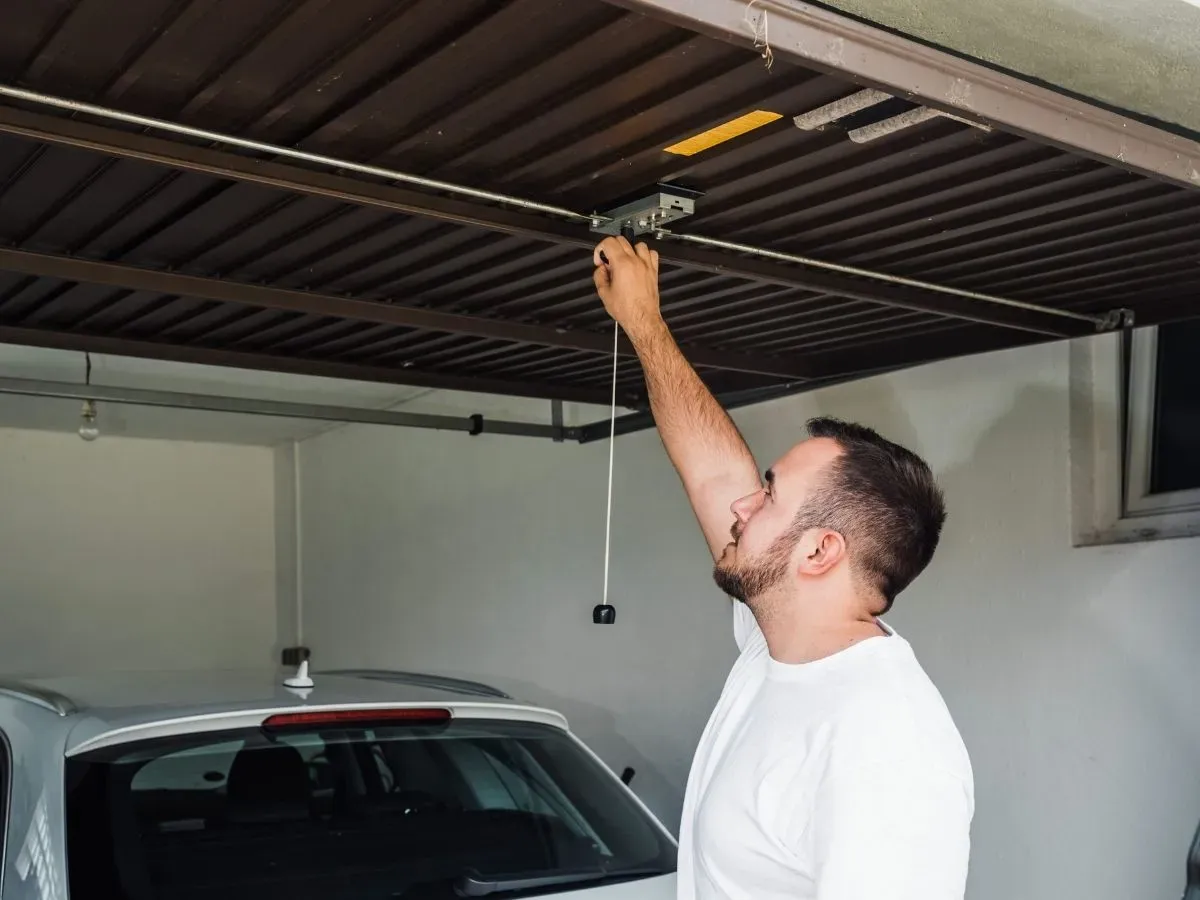
Experiencing a power outage can create significant inconvenience in a household, particularly when essential systems, such as a garage door, do not function as expected. Most modern garage doors are equipped with automatic openers that operate using electricity, which means that during a power outage, the door may become inoperable. Knowing how to manually open your garage door during such instances is critical for homeowners who rely on their garage for access to vehicles and storage.
Understanding Your Garage Door Mechanism
Before delving into the specifics of manually opening a garage door, it is essential to understand the basic components of a standard garage door system. A typical garage door consists of a door panel that is mounted on tracks and is operated by a motorized opener. This opener is connected to the door via a system of cables, pulleys, and springs that facilitate movement. During a power outage, the electric motor becomes nonfunctional, necessitating manual operation.
Most garage doors have a manual release mechanism designed to disconnect the door from the automatic opener, allowing users to lift or lower the door manually. Familiarity with this mechanism is crucial for homeowners, as it enables swift action during emergencies.
Components of a Garage Door System
- Garage Door Panel: The primary component that constitutes the visible part of the system, which is raised or lowered to allow access.
- Tracks: Steel rails that guide the movement of the door as it opens and closes.
- Motorized Opener: The electrical device that powers the door’s movement, using a remote control or wall-mounted switch.
- Cables and Pulleys: These components work in conjunction with the opener and spring system to lift and lower the door.
- Manual Release Mechanism: A cord or lever that, when pulled, disengages the door from the motorized opener.
- Springs: Tension springs or torsion springs that assist in lifting the door’s weight.
Steps to Manually Open Your Garage Door During a Power Outage
Understanding the process of manually operating your garage door can facilitate timely access during a power outage. The following steps outline the procedure for manually opening a garage door:
Step 1: Locate the Manual Release Cord
The first step in the process is to locate the manual release cord, which is typically a bright-colored rope or handle hanging from the garage door opener mechanism. The manual release cord is designed for easy identification, in order to facilitate quick action when necessary.
Step 2: Pull the Manual Release Cord
Once the manual release cord has been located, the next step is to grasp it firmly and pull it downward. This action will disengage the garage door from the motorized opener, allowing you to operate the door manually. It is important to note that depending on the design of your specific garage door system, you may need to pull the cord towards you or away from you to successfully disengage the mechanism.
Step 3: Lift the Garage Door
After successfully disengaging the opener, proceed to lift the garage door manually. Most garage doors are designed to be operated easily by hand, and they should not require excessive force to open. Begin lifting the door by gripping the bottom edge and using a steady motion. If the door is balanced correctly, it should rise smoothly along the tracks without undue difficulty.
Important Considerations:
If the door feels unusually heavy or difficult to lift, refrain from forcing it open, as this may indicate an underlying issue with the door’s tracks, springs, or other components that require professional attention.
Ensure that the area around the garage door is clear of obstacles to avoid any potential accidents or injuries while lifting the door.
Step 4: Secure the Garage Door in the Open Position
Once the garage door is fully raised, it is essential to secure it in the open position to prevent it from falling unintentionally. Many garage doors come with a built-in locking mechanism or pin that can be engaged to hold the door in place while it is open. If your garage door lacks such features, consider using a sturdy object, such as a wooden prop or a piece of lumber, to support the door until power is restored.
Step 5: Closing the Garage Door
When power is restored and you are ready to close the garage door, ensure that you first disengage any prop or locking mechanism you may have used to hold the door open. Next, lower the door manually by gripping the bottom edge and guiding it gently down to its closed position. Once the door is nearly closed, you can re-engage the automatic opener by pulling on the manual release cord towards the motor until it clicks back into place, securing the door with the motorized system.
Garage Door Tips for Power Outages
Understanding how to manually open your garage door is crucial, but there are additional strategies to consider for managing garage doors during power outages effectively. The following tips can help ensure that your garage door operates smoothly in emergencies:
1. Regular Maintenance
Routine maintenance of your garage door and opener is essential to ensure they function correctly during emergencies. Regularly inspect the door’s springs, cables, and tracks for signs of wear or damage. Perform necessary repairs promptly to avoid complications during a power outage.
2. Install a Backup Battery
Consider investing in a garage door opener with an integrated battery backup system. This feature allows the opener to function normally even during power outages, eliminating the need for manual operation. Battery backups are especially beneficial for homeowners who experience frequent power interruptions or who rely heavily on their garage door for accessibility.
3. Keep the Manual Release Cord Accessible
Ensure that the manual release cord is easily accessible and identifiable. Regularly check that it remains untangled and unobstructed by other components. If there are young children in the household, educate them about the purpose of the manual release cord and ensure it is positioned out of their reach to prevent unintended disconnection of the opener.
4. Familiarize Yourself with Your Garage Door System
Understanding the specific mechanics of your garage door system is invaluable. Review the user manual provided by the manufacturer, which typically contains important information about the manual release mechanism and other operational features of the door. Familiarity with these details will enable you to respond quickly and efficiently during emergencies.
5. Plan for Emergencies
In addition to knowing how to manually open your garage door, it is advisable to develop an emergency plan that outlines steps to take in the event of a power outage. Ensure that all household members are aware of the procedures involved. This is particularly important for families with children or elderly individuals who may require assistance. Regularly practicing simulated power outages can reinforce this knowledge.
6. Have Emergency Tools on Hand
In preparation for power outages, maintain a supply of essential tools and items readily accessible. These may include a flashlight, batteries, and basic hand tools that can assist in opening or securing the garage door if needed. Keeping these items on hand can alleviate stress during unexpected situations and ensure preparedness for emergencies.
7. Seek Professional Assistance
If you encounter difficulties while attempting to manually operate your garage door, or if you suspect mechanical issues, do not hesitate to seek professional assistance. Garage door technicians can diagnose problems and perform repairs to ensure that your door operates effectively. Regular professional inspections can also identify potential issues before they escalate into serious problems.
Understanding the Safety Implications
While knowing how to manually open your garage door is a critical skill, it is equally important to understand the safety implications associated with its operation. Here are some fundamental safety considerations to keep in mind:
1. Be Mindful of Your Surroundings
When attempting to open the garage door manually, ensure that the surrounding area is clear of any obstructions. Check for objects, vehicles, or individuals nearby before lifting the door to prevent accidents or injuries.
2. Use Proper Lifting Techniques
When lifting the garage door, employ proper lifting techniques to avoid strain or injury. Bend at the knees and keep your back straight, using your legs to assist with the lifting motion. If the door is too heavy or cumbersome, seek assistance instead of risking injury.
3. Secure the Door Properly
Always ensure that the garage door is secured in the open position before leaving it unattended. If you must prop it open, choose a sturdy and stable object that can hold the door securely without the risk of collapse.
4. Regular Safety Checks
Conduct regular safety checks on your garage door system, including testing the auto-reverse feature and other safety mechanisms. Familiarize yourself with the emergency release function, and ensure that family members know how to use it properly.
5. Consider Upgrading for Enhanced Security
If your garage door lacks modern features such as battery backup or advanced safety systems, consider upgrading to a newer model. Modern garage door openers often include enhanced safety features, improved security mechanisms, and connectivity options that can provide additional peace of mind.
Final Thoughts
Knowing how to manually open your garage door during a power outage is an essential skill for homeowners, ensuring that they can maintain access to their vehicles and belongings when the automatic opener is inoperable. By understanding the components of the garage door system and following the outlined steps, individuals can effectively operate their garage doors manually during emergencies.
In addition to mastering manual operation, regular maintenance practices, investment in backup systems, and routine safety checks will contribute to the longevity and reliability of the garage door. Preparing for potential power outages and educating all household members on necessary procedures will ensure that everyone is equipped to handle such situations effectively.
By implementing these practices and understanding the operational mechanics of garage doors, homeowners can foster a safe, functional, and secure environment, even during unexpected power interruptions. Embracing the knowledge and strategies discussed in this article will enhance preparedness and provide confidence in managing garage access during challenging circumstances.
Add new comment