

 604-535-4123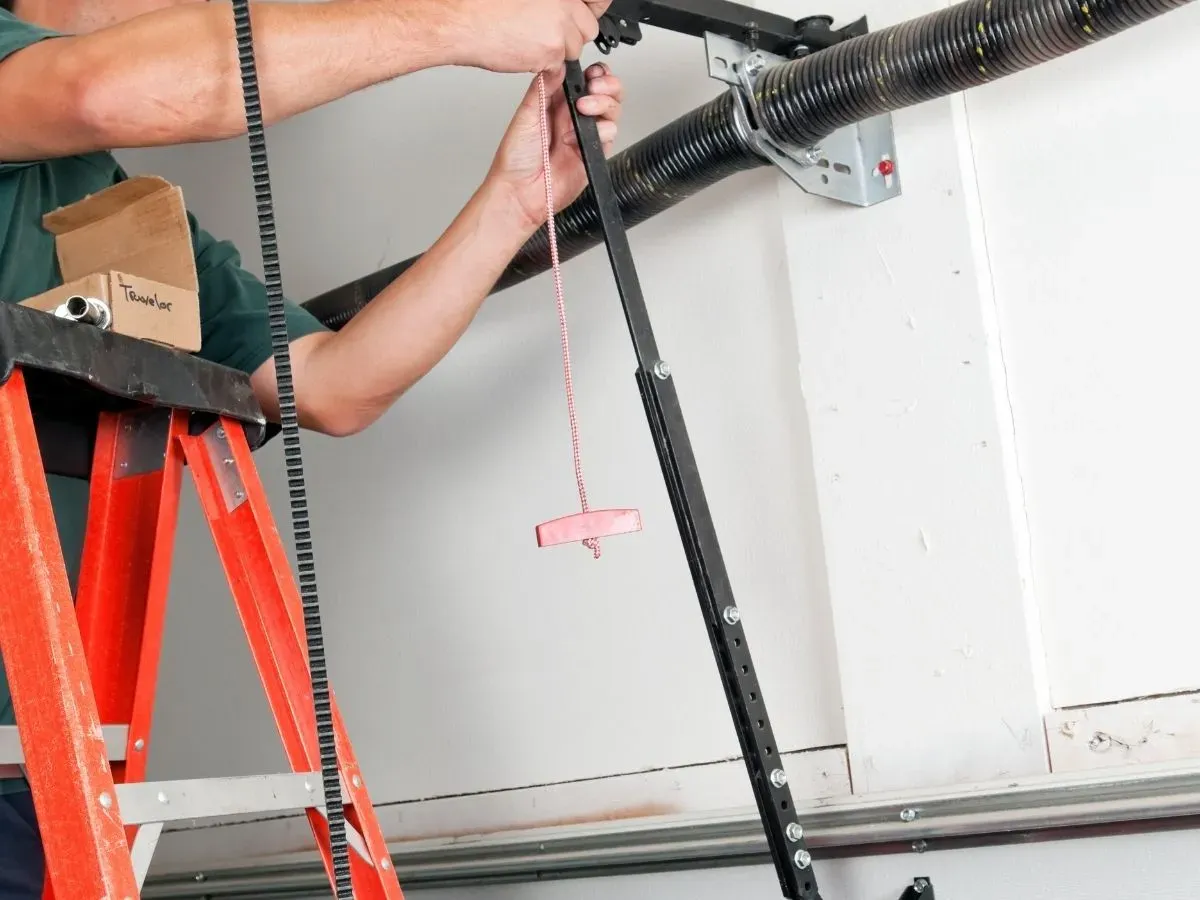
Maintaining a garage door is essential for ensuring its longevity and functionality. Proper garage door maintenance not only enhances the door’s performance but also reduces the risk of costly repairs in the future. Many homeowners can undertake DIY garage door maintenance tasks to keep their garage doors in excellent condition.
Understanding the Importance of Garage Door Maintenance
Garage door maintenance is crucial for various reasons:
- Safety: A well-maintained garage door reduces the risk of accidents, such as injuries from a malfunctioning door. A door that does not function properly can pose dangers to family members and pets.
- Longevity: Regular maintenance extends the lifespan of the garage door, saving homeowners money on replacements. A durable garage door can last for many years if properly cared for.
- Efficiency: A properly functioning garage door operates quietly and smoothly, enhancing the overall convenience of the garage. A door that operates efficiently can also reduce energy costs associated with heating or cooling the garage.
By investing time in these simple tasks, homeowners can enjoy all the benefits of a well-maintained garage door.
Visual Inspection: The First Step in Maintenance
Conducting a visual inspection is one of the easiest and most effective ways to start garage door maintenance. Homeowners should look for the following:
- Cracks or Rust: Check for visible damage, such as cracks in the door panels or rust on metal components. Any signs of deterioration should be addressed promptly to prevent further issues.
- Alignment Issues: Observe whether the door opens and closes evenly. Misalignment can lead to further complications, including increased wear on the door’s components.
- Worn Cables and Springs: Inspect the cables and springs for wear and tear. If they appear frayed or damaged, they may need replacement. This proactive measure can prevent more significant problems in the future.
- Weather Seals: Examine the weather seals along the bottom of the garage door. These seals can wear out over time, allowing drafts, pests, and moisture to enter the garage.
Regular visual inspections allow homeowners to address minor issues before they escalate into significant problems. By catching issues early, homeowners can avoid costly repairs or replacements down the line.
Lubrication: Keeping the Moving Parts Smooth
Lubrication is a critical aspect of DIY garage door maintenance. Ensuring that the moving components are properly lubricated helps the door operate smoothly. Here are some key areas to focus on:
- Hinges and Rollers: Apply a silicone-based lubricant to the door’s hinges and rollers. This helps reduce friction and noise during operation. A well-lubricated door can operate more quietly and efficiently.
- Tracks: Use a clean cloth to wipe down the tracks and remove debris. After cleaning, apply a lightweight lubricant to keep the tracks functional. Avoid using heavy grease, as it can attract dirt and debris.
- Springs: Springs should be lubricated with a specialized garage door lubricant to help prevent rust and ensure they function correctly. Properly lubricated springs are crucial for the safe operation of the door.
Regular lubrication can significantly enhance the performance of a garage door and prolong its lifespan. Homeowners should aim to lubricate these components at least once or twice a year.
Cleaning the Garage Door
Cleaning is an often-overlooked aspect of garage door maintenance, but it is essential for both aesthetics and functionality. Homeowners should follow these steps:
- Exterior Cleaning: Use a mild detergent mixed with water to clean the exterior of the garage door. Rinse thoroughly to remove any soap residue. A clean exterior not only improves appearance but also prevents corrosion.
- Glass Panels: For doors with glass panels, use glass cleaner to keep them clear and free from streaks. This ensures visibility and enhances the curb appeal of the home.
- Interior Cleaning: Dust and debris can accumulate inside the garage. Regularly sweep and clean the interior to prevent dust from affecting the door’s mechanisms. A clean interior can also help maintain an organized and safe garage space.
- Dealing with Stains: If there are stubborn stains, use a non-abrasive cleaner that is suitable for the material of the door. Abrasive cleaners can scratch the surface and lead to damage over time.
A clean garage door not only looks better but also helps prevent dirt and grime from causing operational issues. Regular cleaning contributes to the overall maintenance of the door.
Testing the Safety Features
Modern garage doors often come equipped with safety features, such as auto-reverse mechanisms and photoelectric sensors. Homeowners should regularly test these features to ensure their garage door is safe to operate. Here is how to perform these tests:
- Auto-Reverse Test: Place a small object, like a piece of wood, in the door’s path. When the door closes, it should reverse automatically upon contact with the object. This feature is crucial for preventing injuries or damage.
- Sensor Alignment: Check that the sensors are properly aligned and free from obstructions. Use a soft cloth to clean the sensor lenses. Dirty or misaligned sensors can prevent the door from functioning correctly.
- Emergency Release: Familiarize yourself with the emergency release mechanism, usually a cord hanging from the opener. This allows manual operation of the door in case of a power outage or malfunction.
Regular testing of safety features can prevent accidents and injuries, making it a vital element of garage door maintenance. Homeowners should perform these tests at least once every few months.
Addressing Noisy Garage Doors
Noisy garage doors can be quite irritating, but they are often a sign that maintenance is needed. Common causes of noise include:
- Loose Hardware: Check and tighten any loose bolts or screws on the door and its components. This simple step can significantly reduce noise levels.
- Worn Rollers: If the garage door rollers are worn out, they may need to be replaced to reduce noise. Rolling noise can also indicate that the rollers require lubrication.
- Lack of Lubrication: As mentioned earlier, insufficient lubrication can cause grinding noises. Proper lubrication can resolve many noise-related issues.
- Misaligned Tracks: If the door is not properly aligned in its tracks, it may create rattling noises. Ensuring proper alignment can minimize these sounds.
Taking the time to address these concerns can result in a quieter and more pleasant garage environment. Homeowners should not ignore persistent noise, as it may indicate underlying issues that require attention.
When to Seek Professional Help
While many DIY garage door maintenance tasks can be handled by homeowners, there are times when professional help is necessary. Homeowners should consider contacting a garage door specialist if they encounter:
- Severe Damage: If the door is significantly damaged, a professional can assess the situation and provide suitable repair options. Structural damage may compromise the safety of the door.
- Spring Replacement: Garage door springs can be hazardous to work with, so it is best to leave their replacement to trained experts. Tensioned springs can cause serious injury if mishandled.
- Complex Electrical Issues: If there are problems with the garage door opener or sensors, a professional can troubleshoot and repair these issues safely. Incorrect wiring or malfunctioning components require specialized knowledge.
- Frequent Malfunctions: If the door frequently malfunctions or exhibits erratic behavior, it may indicate an underlying issue that requires a professional diagnosis.
Recognizing when it is best to seek professional assistance is crucial for maintaining a safe and functional garage door. Homeowners should not hesitate to call in a professional if they feel uncertain about a repair or maintenance task.
Tips for Long-Term Garage Door Care
To ensure a long-lasting garage door, homeowners can follow these additional tips:
- Schedule Regular Inspections: Aim to inspect the garage door at least twice a year. Regular inspections can help catch issues early.
- Keep the Area Clear: Maintain a clutter-free area around the garage door to prevent obstructions. This ensures that the door can open and close without interference.
- Educate Family Members: Make sure everyone in the household understands how to operate the garage door safely. This includes knowing the emergency release mechanism and understanding safe practices around the door.
- Monitor Weather Conditions: Extreme weather conditions can affect the operation of the garage door. Be mindful of heavy snow or ice that may hinder its function.
- Reinforce Security Measures: Regularly check the locking mechanisms and consider upgrading to smart garage door openers that enhance security features.
Implementing these strategies can help homeowners maintain their garage doors effectively. Long-term care is an investment in safety and reliability.
Seasonal Maintenance Considerations
In addition to regular inspections and maintenance, homeowners should consider seasonal maintenance tasks. Each season brings its own challenges that can affect garage door performance.
Spring Maintenance
- Check for Winter Damage: After winter, inspect for any damage incurred from snow or ice. Ensure that weather seals are intact to prevent drafts.
- Lubricate Moving Parts: As the weather warms up, it is an ideal time to lubricate all moving parts and ensure they are functioning smoothly after the cold winter months.
Summer Maintenance
- Inspect for Heat Damage: The summer heat can cause components to expand. Check for any misalignment or wear and address it promptly.
- Test Safety Features: With increased usage during summer vacations and gatherings, ensure all safety mechanisms are functional.
Fall Maintenance
- Prepare for Winter: Ensure that weather seals are in good condition to prevent cold drafts from entering the garage.
- Inspect Electrical Components: With the approach of winter, check electrical connections and the opener to ensure they are functioning properly.
Winter Maintenance
- Clear Snow and Ice: Ensure the area around the garage door is clear of snow and ice to prevent obstructions. This includes regularly clearing the tracks.
- Check for Cold Weather Effects: Cold temperatures can affect the door’s operation, so monitor its performance and address any issues immediately.
Seasonal maintenance ensures that the garage door remains functional and safe throughout the year. By proactively addressing seasonal challenges, homeowners can reduce the risk of unexpected failures.
Understanding Different Types of Garage Doors
To effectively maintain a garage door, it is essential to understand the different types available. Each type has unique maintenance needs.
Sectional Garage Doors
These doors consist of several horizontal panels that move along tracks. They are popular due to their space-saving design. Maintenance involves lubrication, regular inspections of the panels, and alignment checks.
Roll-Up Garage Doors
Roll-up doors are often found in commercial settings, but some homeowners use them. These doors roll into a coil at the top. Regular maintenance includes inspecting the coil mechanism and ensuring it remains free of debris.
Swing-Out Garage Doors
These doors swing open like traditional doors. Maintenance tasks include checking hinges and locking mechanisms, as well as ensuring the door opens smoothly without obstructions.
Side-Hinged Garage Doors
Similar to swing-out doors, side-hinged doors are mounted on the side. Maintenance involves checking the hinges, ensuring the door is aligned, and regularly inspecting the locking mechanism.
Understanding the specific maintenance requirements of different garage door types ensures that homeowners can apply the appropriate care practices.
Final Thoughts
Garage door maintenance is vital for ensuring safety, efficiency, and longevity. By performing simple tasks like visual inspections, lubrication, and cleaning, homeowners can keep their garage doors operating smoothly. While many maintenance tasks can be tackled independently, it is essential to know when to seek professional help. For expert advice and services, Doorcare is always ready to assist with any garage door needs.
Taking action today and starting your DIY garage door maintenance routine is crucial. Your garage door—and your peace of mind—will thank you for it. A well-maintained garage door not only enhances your home’s value but also ensures the safety and convenience of your daily activities.
Ready to take your garage door maintenance to the next level? Visit Doorcare for expert guidance and services that will keep your garage door in top shape. Don’t wait until a small issue turns into a big problem—start your maintenance routine today! Your garage deserves the best care, and with the right support, you can ensure it remains in excellent condition for years to come.
Add new comment