

 604-535-4123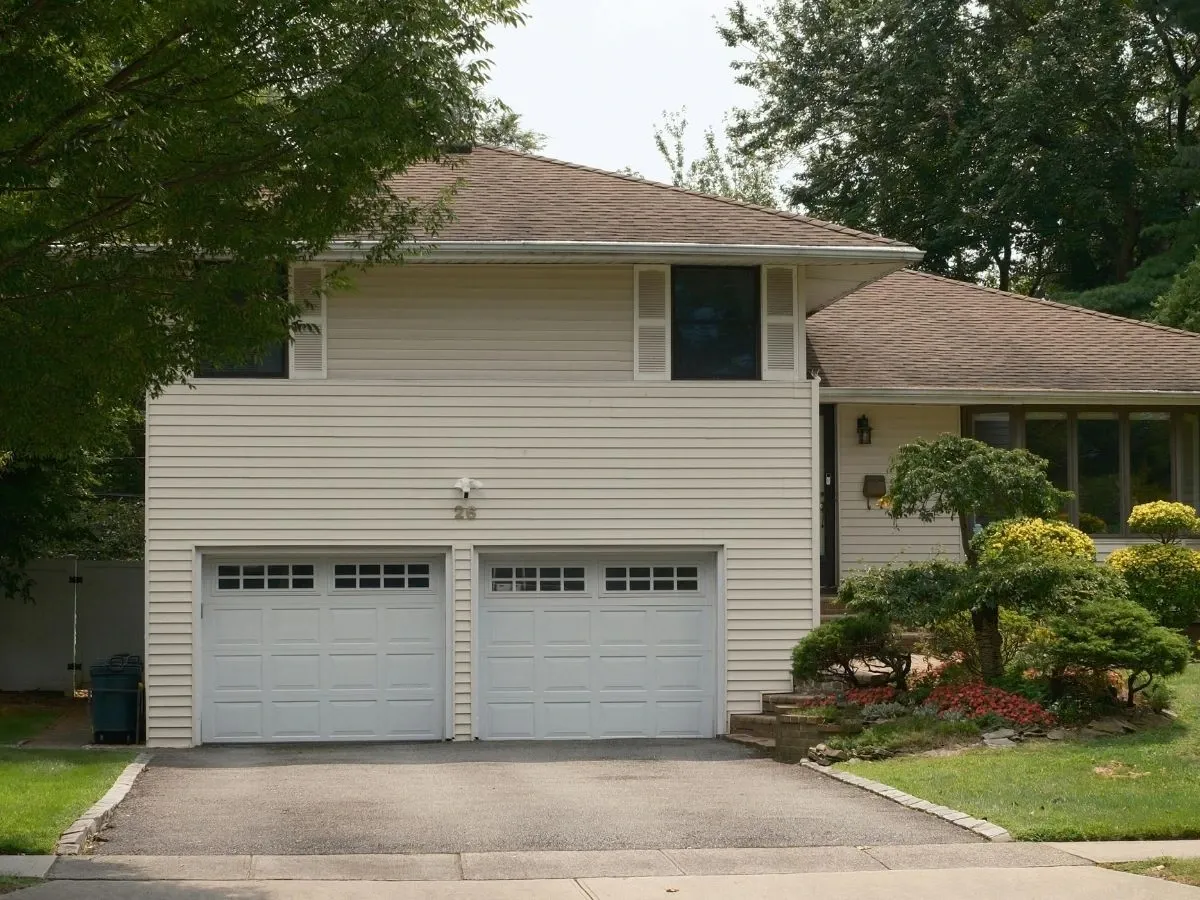
When homeowners consider the various elements that contribute to their property’s overall aesthetic and functionality, the garage door often emerges as a key component. The right garage door is not merely an entryway; it serves as a protective barrier, a design statement, and a reflection of the homeowner’s personal taste.
This extensive guide is intended to help homeowners navigate the decision-making process involved in choosing the right garage door that aligns with their specific needs, aesthetic preferences, and budget constraints.
Understanding the Importance of the Right Garage Door
The right garage door can significantly enhance the curb appeal of a home, providing a visually pleasing facade that welcomes visitors and reflects the character of the residence.
Moreover, an effectively designed garage door contributes to the security of the home by acting as a deterrent to potential intruders while safeguarding valuable belongings stored within the garage.
Functional Aspects of the Right Garage Door
From a functional perspective, garage doors must be durable and reliable. They play a critical role in protecting vehicles and other stored items from the elements and unwarranted access.
The best garage door ensures that these functions are performed with efficiency and style. Various factors must be considered when selecting a garage door, including the material, style, security features, and insulation properties.
Aesthetic Contribution to Home Design
A garage door can contribute significantly to the home’s architectural design. It can complement or contrast with other exterior elements such as windows, roofing, and siding.
The choice of the right garage door material and style can improve the overall aesthetic harmony of the residence, making it more visually appealing and increasing its market value.
Key Features to Evaluate When Selecting the Right Garage Door
When embarking on the journey to select the right garage door, homeowners should evaluate several key features that contribute to performance, durability, and overall appearance.
Material Choices
The material of the garage door is one of the most significant factors influencing performance, maintenance, and aesthetics.
- Wood : Offers natural beauty and customization options but requires regular maintenance to prevent warping, rotting, and insect damage.
- Steel: Strong, secure, and resistant to dents. Can be insulated for improved energy efficiency and comes in many finishes.
- Aluminum: Lightweight and rust-resistant, ideal for coastal areas and modern designs.
- Fiberglass: Lightweight, dent-resistant, and capable of mimicking wood without high maintenance.
Style Considerations
The style of the garage door should harmonize with the home’s architecture.
- Traditional Panel Doors: Classic design suitable for many home styles.
- Contemporary Doors: Sleek lines and modern finishes, often incorporating glass panels.
- Carriage House Doors: Rustic charm with traditional appeal, available in swing-out or overhead styles.
Insulation Properties
Insulated garage doors help regulate temperature and reduce energy costs. Thermal resistance is measured using R-values—the higher the R-value, the better the insulation.
Security Features
The right garage door should include features that enhance home security.
- Reinforced Panels: Designed to resist impact and improve strength.
- Smart Technology: Remote monitoring, automated locking, and security alerts.
- Advanced Locking Mechanisms: High-quality locks and secure wiring to prevent unauthorized entry.
Popular Types of Garage Doors
1. Sectional Garage Doors
Made of hinged panels that move along tracks, sectional doors are space-efficient and versatile.
- Ideal for limited headroom.
- Available in various materials and styles.
- Easy to insulate.
2. Roll-Up Garage Doors
Slatted doors that roll into a coil above the opening, suitable for compact spaces.
- Great for minimal space.
- Typically durable and secure.
3. Tilt-Up Garage Doors
Single solid panels that tilt outward and upward.
- Simple operation.
- Classic design appeal.
4. Side-Hinged Garage Doors
Open outward like traditional doors, offering vintage charm.
- Authentic look.
- Easy pedestrian access.
Choosing the Right Garage Door Size
Proper sizing ensures smooth operation and correct fit.
- Single Car: 8–9 ft wide, 7–8 ft high.
- Double Car: 16 ft wide, 7–8 ft high.
Custom sizes may be necessary for unique garage layouts. Professional consultation ensures accurate measurements.
Understanding Garage Door Costs
Material Costs
Wood typically costs more due to customization and aesthetics. Steel offers durability at a moderate price. Aluminum and fiberglass vary depending on design and quality.
Installation Expenses
Professional installation ensures safety and long-term reliability. Costs depend on project complexity and additional features.
Additional Features
- Windows: Improve appearance but may affect insulation.
- Insulation: Higher upfront cost but long-term savings.
- Security Features: Enhanced protection at added cost.
Maintenance Tips for Your Garage Door
Regular Inspection
Check for smooth operation, unusual noises, and visible wear.
Cleaning and Lubrication
Keep tracks clear of debris and lubricate moving parts regularly to prevent rust and wear.
Weather Stripping Maintenance
Inspect and replace worn weather stripping to maintain insulation and energy efficiency.
Final Thoughts
Selecting the right garage door enhances curb appeal, security, and energy efficiency. By evaluating material, style, size, and features, homeowners can make informed decisions that provide lasting value.
At Doorcare, our experienced team offers quality products and expert advice tailored to every homeowner’s needs.
Ready to transform your home? Contact Doorcare today for a consultation and explore exceptional options for your property.
Add new comment